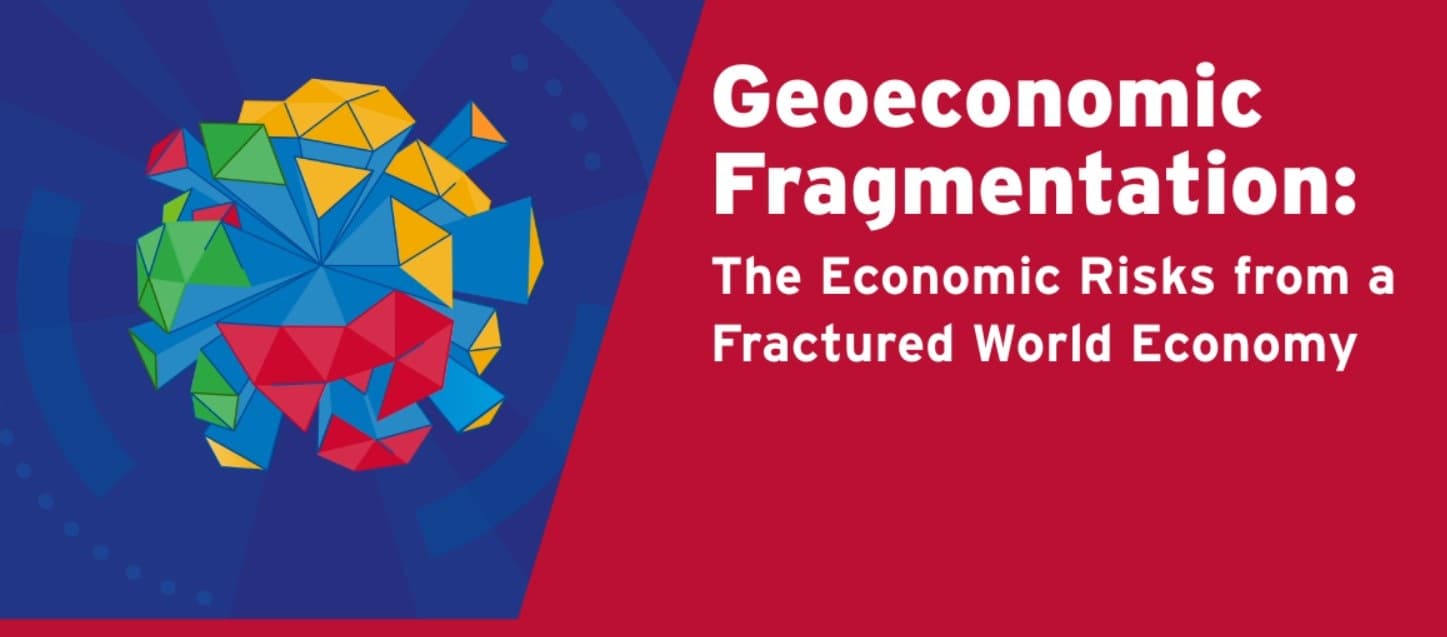
Geo-Economic Fragmentation: A New Economic Cold War?
NOTE4STUDENTS: Geo-economic fragmentation is reversing globalization, reshaping trade, investment, and supply chains. UPSC usually asks questions by linking globalization, trade…
18 min
621 items tagged
NOTE4STUDENTS: Geo-economic fragmentation is reversing globalization, reshaping trade, investment, and supply chains. UPSC usually asks questions by linking globalization, trade…
N4S: This article explains the Indus Water Treaty and its recent challenges in clear, simple terms. UPSC often frames questions on such topics by linking them to current…
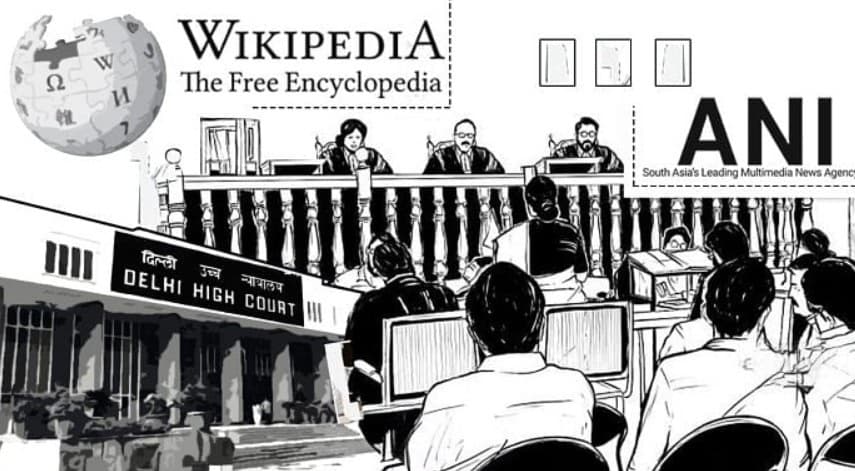
The UPSC often picks real-life legal or social conflicts and then asks aspirants to explore the constitutional principles behind them. In 2014, for example, it asked whether films…
Note4students: The Indian aviation sector became the world’s third-largest domestic aviation market. Big news from the Mains perspective. PYQs analysis gives us 2 possible lines…
N4S: This article explains the causes and control of food inflation in India clearly and simply. UPSC often asks questions that require linking causes of inflation with monetary…
N4S: This article unpacks the complex and often controversial role of the Governor in India’s democracy. UPSC usually frames questions on this topic by testing aspirants’…
N4S: UPSC has asked questions from themes like BIMSTEC by linking old groupings like SAARC with emerging ones like BIMSTEC. The 2022 question on BIMSTEC vs SAARC is a perfect…
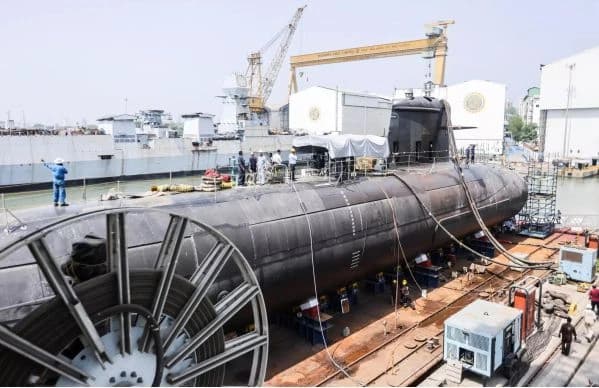
NOTE4STUDENTS: This article covers India’s journey toward maritime self-reliance, focusing on indigenous naval production and strategic initiatives. UPSC tends to ask questions…
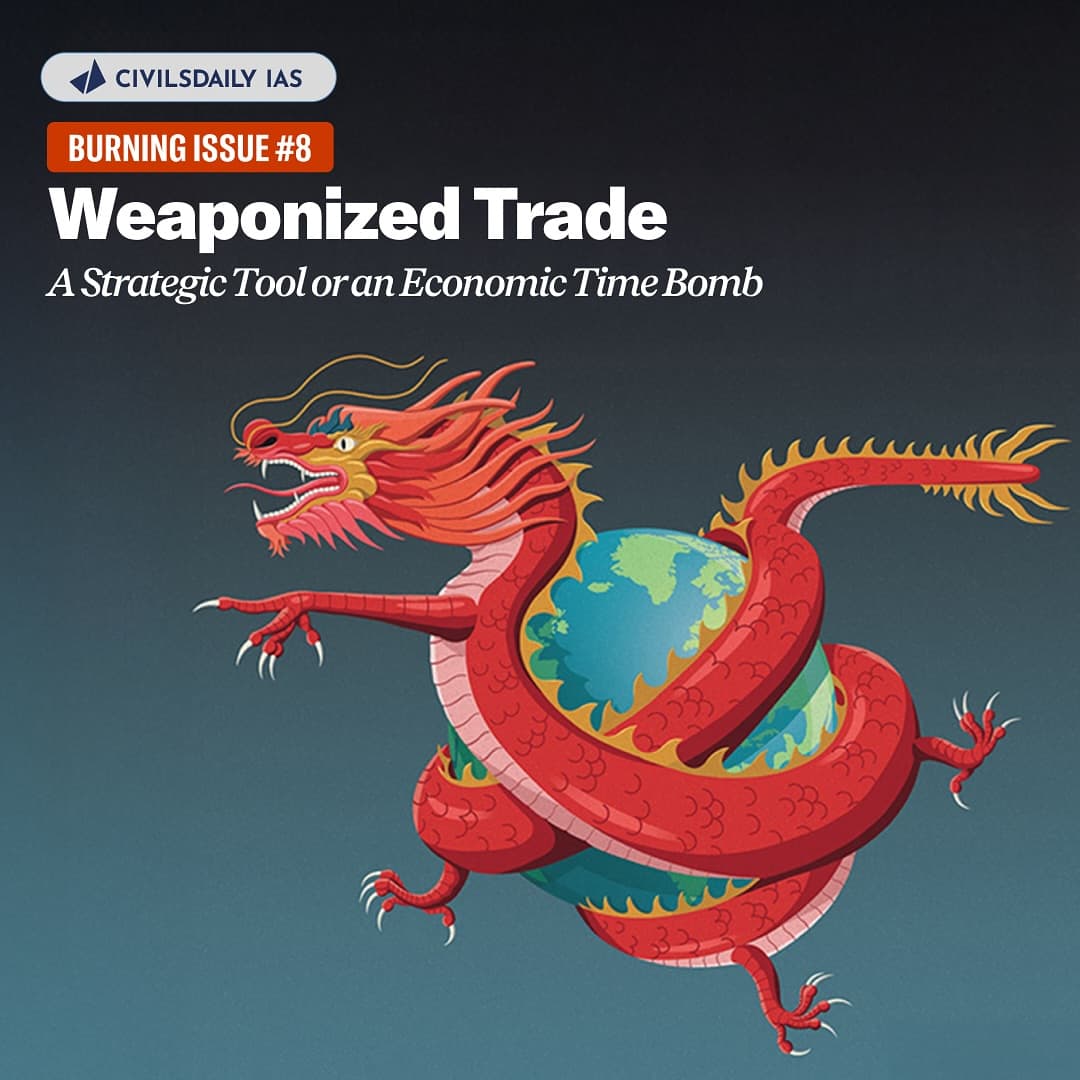
NOTE4STUDENTS: China weaponizes supply chains to exert geopolitical pressure and economic dominance. UPSC may explore questions on trade policies, WTO reforms, and global supply…
NOTE4STUDENTS: This article takes a deep dive into India's startup ecosystem, looking at what drives its growth, the challenges it faces, and the government’s efforts to support…

NOTE4STUDENTS: The recent deliberations around applying the POSH Act to political parties highlight an evolving and essential intersection of law, gender justice, and…
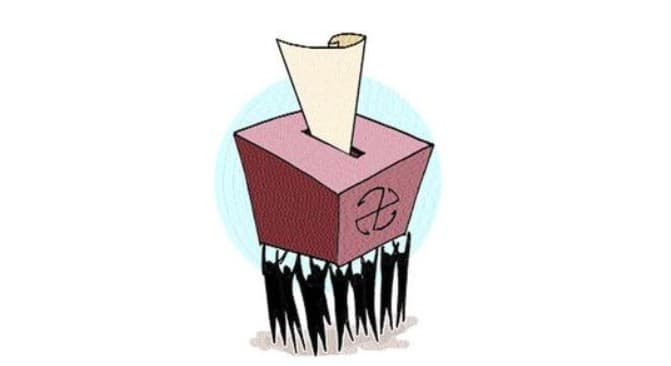
NOTE4STUDENTS: Representation of the People Act (RPA), 1951 is an area that aspirants commonly skip or read superficially. A lack of analysis of the legal provisions is the…
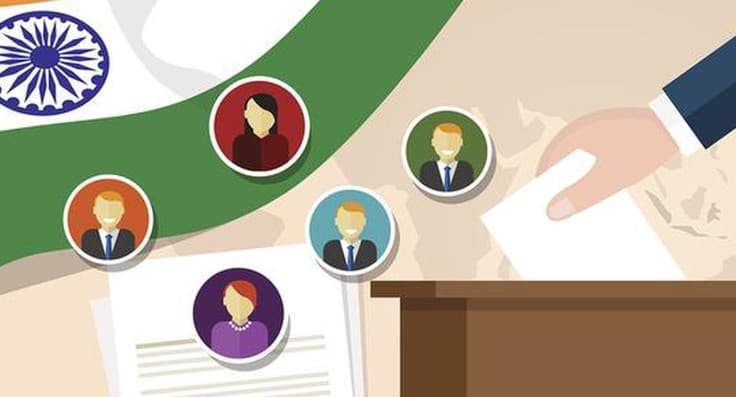
N4S: India's elections shape democracy, yet challenges persist—from money power to trust in EVMs. The UPSC often asks questions on electoral reforms (e.g., GS2, 2024: "Examine the…
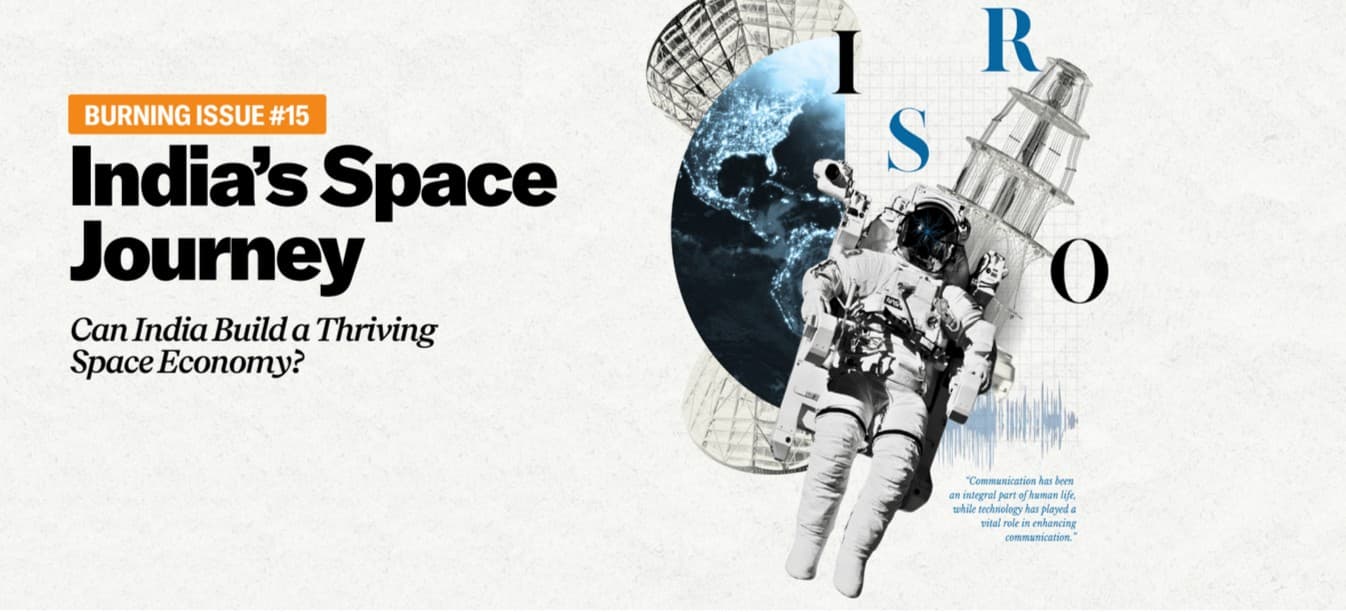
N4S: UPSC often asks questions about India’s space sector by linking technology with governance, economy, and global partnerships (e.g., India’s role in commercial space or policy…
NOTE4STUDENTS: China weaponizes supply chains to exert geopolitical pressure and economic dominance. UPSC may explore questions on trade policies, WTO reforms, and global supply…
NOTE4STUDENTS: UPSC often frames questions that test conceptual clarity and real-world applications. as in 2018. This shows that UPSC expects aspirants to connect theory with…
NOTE4STUDENTS: India and the European Union (EU) are strengthening ties as Poland assumes the EU Presidency in 2025. UPSC often asks questions from such topics in two ways: direct…
The India Meteorological Department (IMD) has warned of another year of extreme heat and above-normal heatwaves. This comes as Delhi recorded its hottest February in 74 years and…
NOTE4STUDENTS: This article discusses the fundamental right to access justice and the barriers many face in exercising it. It highlights various challenges such as social…
NOTE4STUDENTS: UPSC focuses on treaties like the Indus Water Treaty in two ways—historical context and contemporary disputes. Questions often require an analysis of ecological…